A concrete pump plays a vital role in today’s fast construction environment. It improves efficiency and ensures precise concrete placement. Contractors trust this equipment to handle complex pours with confidence. Moreover, modern projects demand speed, safety, and consistent quality. A reliable concrete pump meets all these expectations with ease.
This guide explains everything you need to know about concrete pumps. You will understand their value, working principles, and buying considerations. By the end, you can make smarter equipment decisions for your projects.
What Is a Concrete Pump and How Does It Work
A concrete pump (бетонный насос) transfers liquid concrete from mixing trucks to specific construction areas. It uses hydraulic pressure to move concrete smoothly through pipelines. As a result, workers avoid manual transport and reduce labor intensity. This method also improves accuracy in hard to reach locations.
Concrete pumping works well for high rise buildings and large foundations. It also suits bridges, tunnels, and industrial floors. Because the process stays controlled, material waste decreases significantly. Therefore, project timelines become more predictable and manageable.
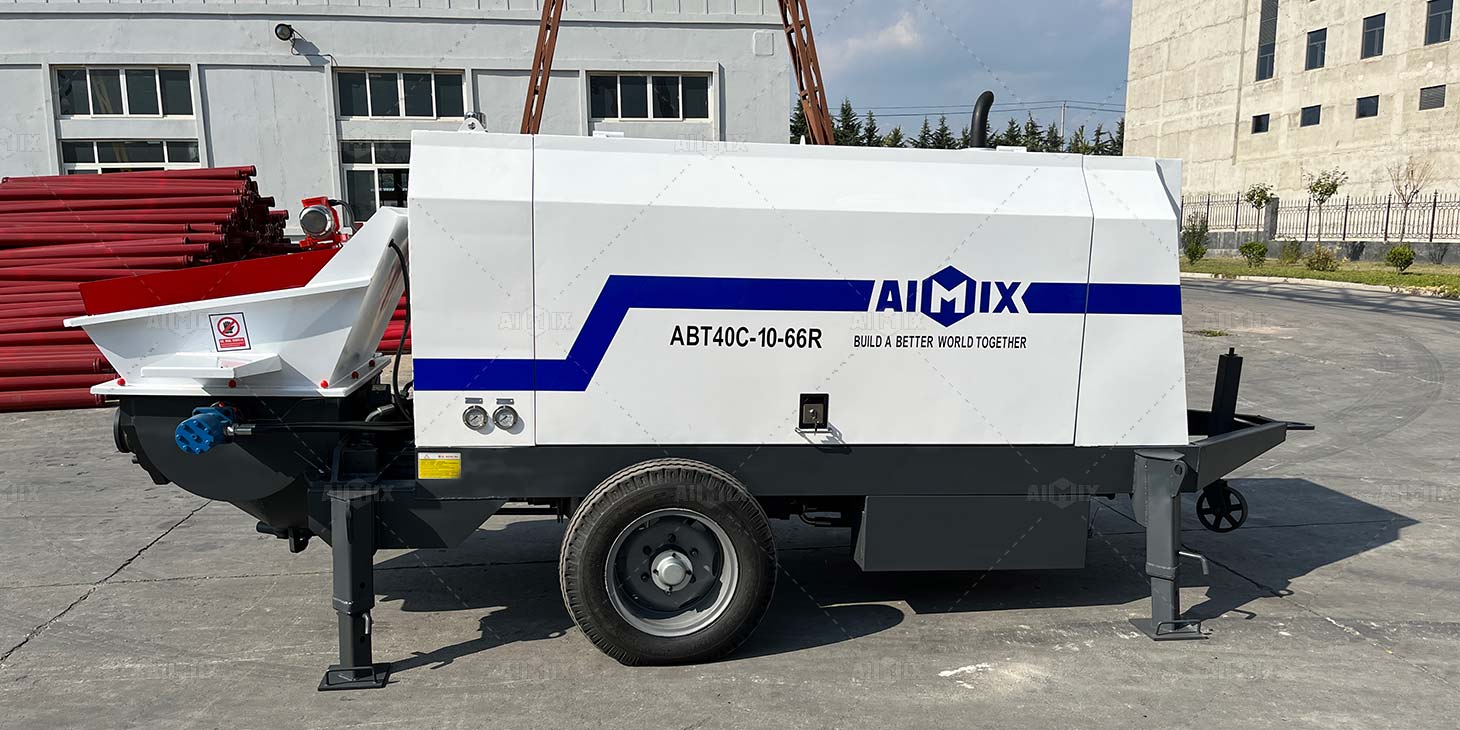
Main Advantages of Using a Concrete Pump
Using a concrete pump improves construction speed significantly. Concrete reaches the target area faster and with less interruption. This efficiency helps teams finish pours before concrete sets. Consequently, structural integrity improves and surface quality remains consistent.
Safety also improves when using pumping equipment. Workers avoid heavy lifting and risky transport methods. Additionally, controlled delivery reduces site congestion. Many contractors notice lower labor costs and fewer accidents. These benefits quickly justify the equipment investment.
Understanding Different Concrete Pump Solutions
Every project has unique demands and site conditions. Therefore, understanding each concrete pump type (виды бетононасосов) becomes essential. Truck mounted pumps handle large pours and high buildings effectively. Trailer pumps suit smaller sites and extended pumping distances.
Stationary pumps work well for tunnels and industrial applications. Meanwhile, boom pumps offer flexible reach and precise placement. Choosing the right option improves productivity and reduces operational stress. Smart selection also extends equipment lifespan.
If the project has higher requirements for the integration of concrete mixing and pumping, concrete mixing pumps can also be considered. This device integrates mixing and pumping functions, making it particularly suitable for scenarios where concrete preparation and pouring need to be carried out simultaneously, such as construction in remote areas, small-scale decentralized projects, or projects that require continuous feeding.
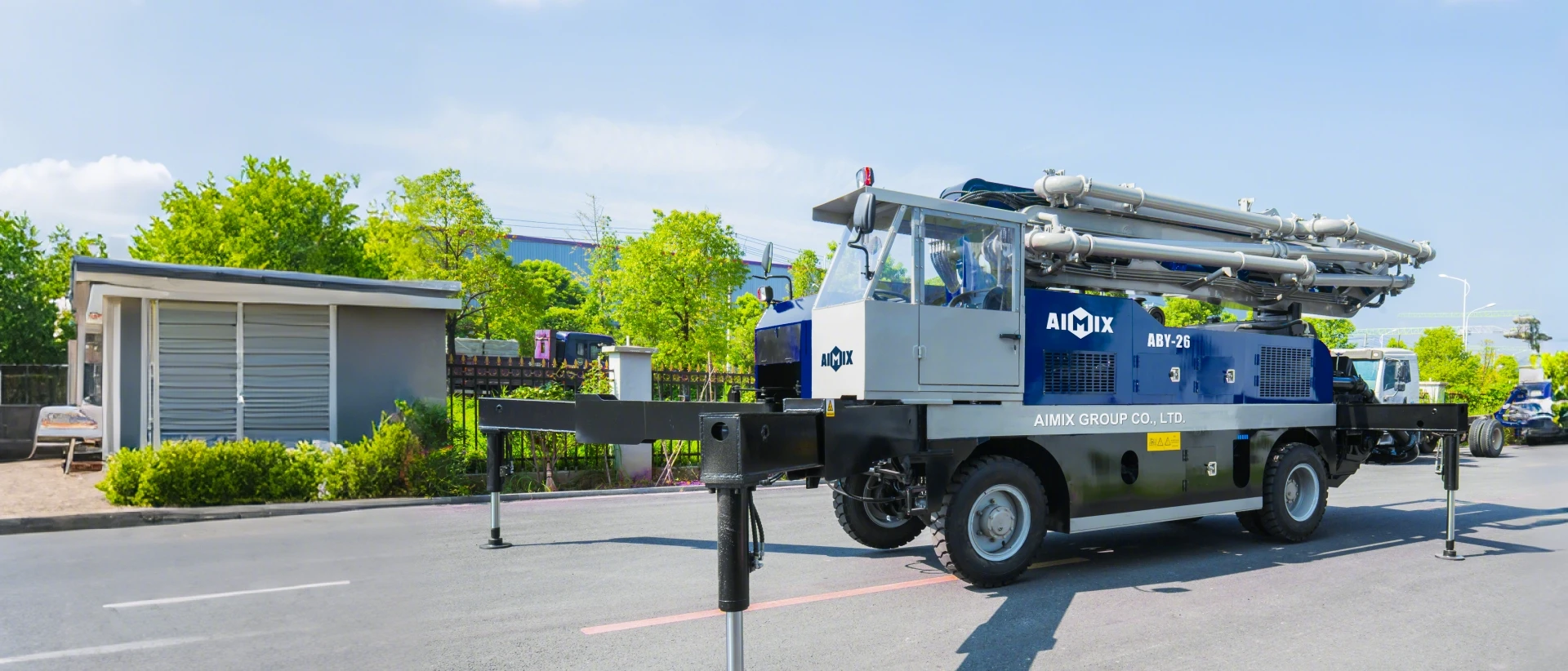
Key Industries That Rely on Concrete Pumps
Residential construction uses concrete pumps for foundations and slabs. Commercial projects rely on them for offices and shopping centers. Infrastructure projects depend on pumping systems for bridges and highways. Industrial facilities also benefit from precise concrete delivery.
Because of this versatility, concrete pumps support many sectors worldwide. Their adaptability makes them a long term asset for contractors. As construction standards rise, demand for pumping solutions continues growing steadily.
How to Choose the Right Concrete Pump
Start by evaluating project size and height requirements. Consider concrete volume and pumping distance carefully. Site accessibility also affects equipment selection. These factors help narrow down suitable models.
Next, focus on reliability and manufacturer reputation. High quality components reduce downtime and maintenance costs. After sales service also matters for long term performance. Trusted suppliers provide technical support and spare parts quickly.
Cost Considerations and Long Term Value
Many buyers focus only on the concrete pump price (цена бетононасоса). However, upfront cost tells only part of the story. Fuel efficiency, maintenance needs, and durability affect total ownership cost. A cheaper machine may cost more over time.
High quality pumps deliver consistent output for many years. They also retain better resale value. Therefore, investing wisely protects your budget and reputation. Smart purchasing decisions lead to sustainable profits.
Why Buying the Right Supplier Matters
Choosing a reliable supplier ensures product quality and compliance. Certified manufacturers follow strict production standards. They also provide clear documentation and testing results. This transparency builds trust and confidence.
When you plan to buy concrete pump (купить бетононасос), supplier support becomes crucial. Training, installation guidance, and warranty coverage matter greatly. A dependable partner helps your business grow without unnecessary risks.
Future Trends in Concrete Pump Technology
Technology continues shaping modern concrete pumps. Automation improves control accuracy and pumping stability. Remote monitoring systems also enhance maintenance planning. These innovations reduce downtime and improve jobsite efficiency.
Environmental concerns drive cleaner and quieter pump designs. Energy efficient systems lower fuel consumption. As regulations tighten, advanced pumps help contractors stay compliant and competitive.
Final Thoughts on Choosing a Concrete Pump
A concrete pump represents more than construction equipment. It reflects your commitment to quality and efficiency. The right choice improves safety, speed, and project outcomes. It also strengthens client trust and long term success.
By understanding features, applications, and value, you gain confidence. Informed decisions always deliver better results. Let the right concrete pump support your next project with power and precision.