Winning a government road contract in Algeria is only the beginning. The real challenge starts when you need to deliver consistent asphalt quality, meet strict deadlines, and control long-term costs under tough site conditions. Many contractors realize this too late: the asphalt plant they choose directly affects their profit, reputation, and ability to secure future projects.
So, which asphalt plants is truly the best choice for long-term government road contracts in Algeria? The answer is not just about capacity or price. It depends on durability, adaptability, fuel efficiency, and long-term operational stability. In this article, we will break down the key factors and help you make a practical, informed decision.
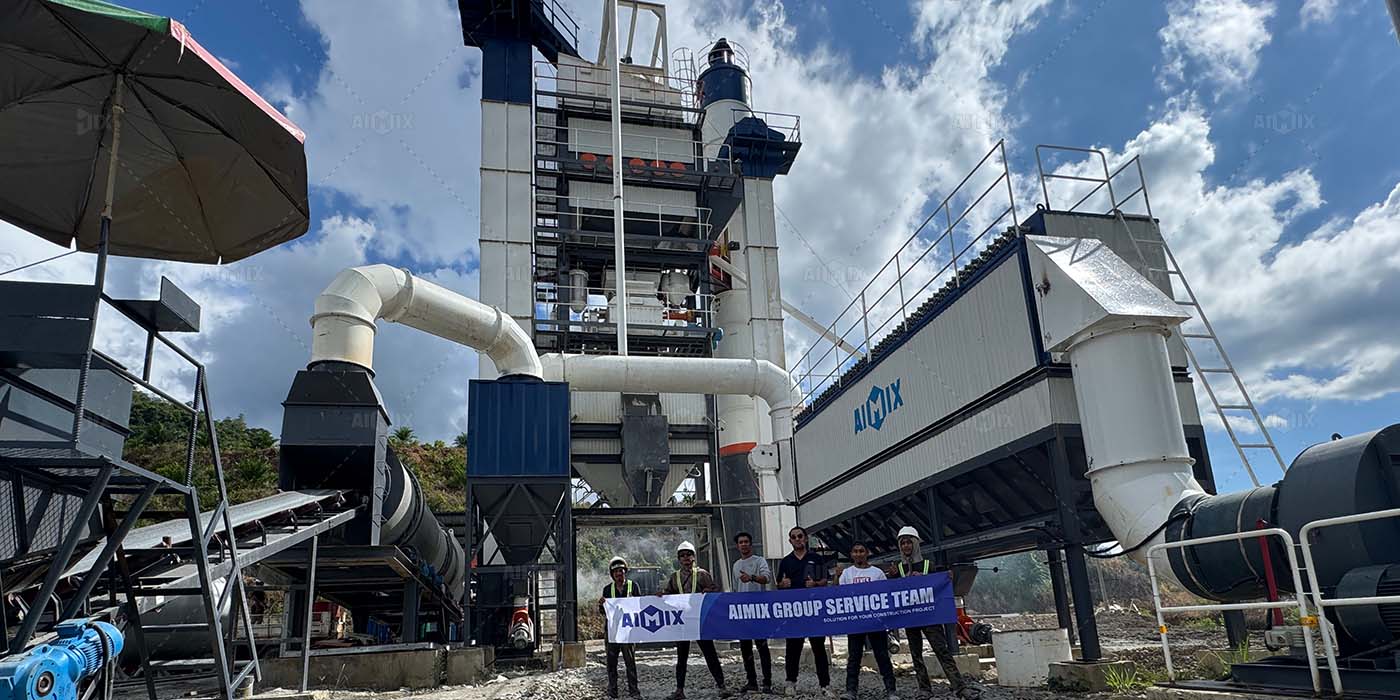
Understanding The Real Demands Of Government Road Projects In Algeria
Before selecting equipment, you need to clearly understand what makes Algerian government projects different. These projects often run for several years, and they demand consistent performance every day.
First, project duration is long. Many road contracts last 2 to 5 years. Therefore, your plant must run reliably without frequent breakdowns. Short-term savings on cheaper equipment often lead to higher maintenance costs later.
Second, project scale is large. National highways, urban expressways, and regional road networks require continuous asphalt supply. This means your plant must deliver stable output, often between 80 TPH and 200 TPH.
Third, environmental conditions are challenging. Algeria has high temperatures, desert dust, and large day-night temperature differences. These factors directly affect burner performance, drying efficiency, and dust collection systems.
Finally, government standards are strict. Asphalt quality must meet precise specifications. Any inconsistency can lead to penalties or rejected work.
Because of these factors, not every asphalt plant is suitable. Next, we explore the main plant types and how they perform under these conditions.
Batch Asphalt Plant Vs Drum Mix Plant: Which Performs Better?
Now that we understand the project requirements, let’s compare the two main types of asphalt plants. Each has its strengths, but only one fits long-term government contracts better.
Batch Asphalt Plant: Precision And Flexibility
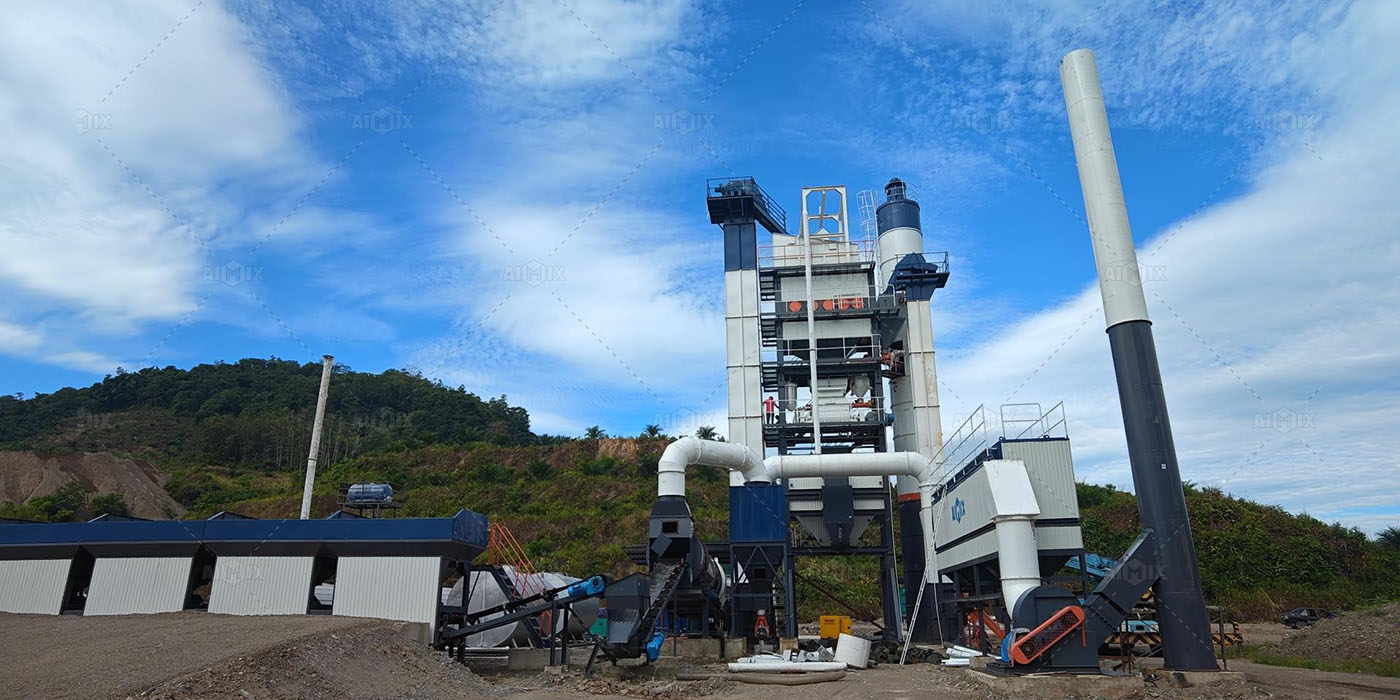
Batch asphalt plants are widely used in government projects. They produce asphalt in separate batches, which allows precise control of each mix.
This design offers a major advantage. You can easily adjust the formula for different road layers, such as base, binder, and surface courses. Government projects often require multiple mix types, so flexibility matters.
In addition, batch plants ensure consistent quality. Each batch is weighed and controlled. This reduces the risk of variation and helps meet strict specifications.
For more details, you can explore this batch mix asphalt plant solution designed for large-scale infrastructure projects.
However, batch plants usually have higher initial investment costs. They also require skilled operators. But for long-term contracts, these drawbacks are often acceptable.
Drum Mix Plant: Simplicity And Lower Cost
On the other hand, a drum mix asphalt plant produces asphalt continuously. It is simple, easy to operate, and costs less at the beginning.
Because of this, it is suitable for small or short-term projects. It works well when the mix formula does not change frequently.
However, drum plants have limitations. They offer less control over the mix. Changing formulas is not easy. This can become a problem in government projects with strict requirements.
Therefore, while drum plants save money upfront, they may not meet long-term performance expectations.
Based on this comparison, we can move forward to identify the most suitable option for Algeria’s long-term contracts.
Why Batch Asphalt Plants Are The Best Choice For Long-Term Contracts
Considering all factors, batch asphalt plants clearly stand out as the best solution for long-term government road projects in Algeria.
First, they provide stable and high-quality output. This ensures compliance with government standards and reduces the risk of penalties.
Second, they offer strong adaptability. You can switch between different asphalt recipes quickly. This is essential for multi-layer road construction.
Third, they support long-term cost control. Although the initial investment is higher, maintenance is predictable, and efficiency remains stable over time.
Moreover, modern batch plants include advanced control systems. These systems improve automation and reduce human error. As a result, your operations become more efficient and reliable.
For these reasons, most experienced contractors prefer batch asphalt plants for large-scale, long-term projects.
Next, let’s look at how to choose the right capacity and configuration.
How To Select The Right Capacity For Your Project
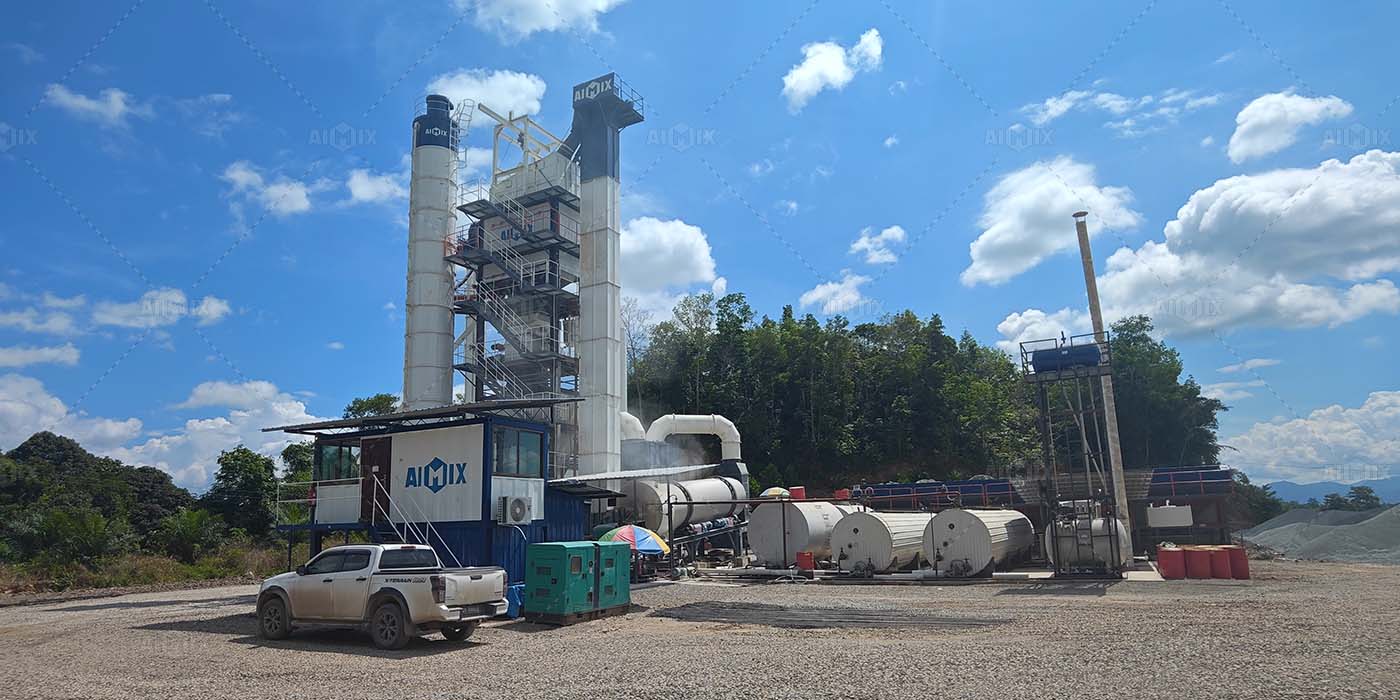
Choosing the correct capacity is critical. If your plant is too small, you will miss deadlines. If it is too large, you will waste fuel and increase costs.
For most government road projects in Algeria, the recommended capacities are:
80–120 TPH Plants
These plants suit medium-sized projects, such as regional roads or municipal upgrades. They offer a good balance between cost and output.
120–160 TPH Plants
This range is ideal for most national road projects. It provides enough capacity to handle continuous paving while maintaining efficiency.
160–240 TPH Plants
These plants are designed for large-scale highway construction. They ensure high productivity and fast project completion.
In practice, many contractors choose 120–160 TPH batch plants. This range covers most project needs without excessive investment.
After selecting capacity, you should also consider key configurations.
Key Features That Improve Long-Term Performance
A good asphalt plant is not just about size. The right features can significantly improve efficiency and reduce long-term costs.
Efficient Burner System
Fuel cost is one of the largest expenses. Therefore, choose a plant with a high-efficiency burner that supports multiple fuel types.
Reliable Dust Collection System
Dust control is critical in Algeria’s environment. A high-quality baghouse system ensures clean operation and meets environmental regulations.
Durable Drying Drum
The drying drum must handle high temperatures and abrasive materials. Strong materials and proper insulation extend its service life.
Advanced Control System
Modern control systems allow precise monitoring and automation. This reduces operator workload and improves production accuracy.
With these features in place, your plant can operate efficiently for years. Now, let’s consider the financial perspective.
Balancing Investment And Long-Term Profitability
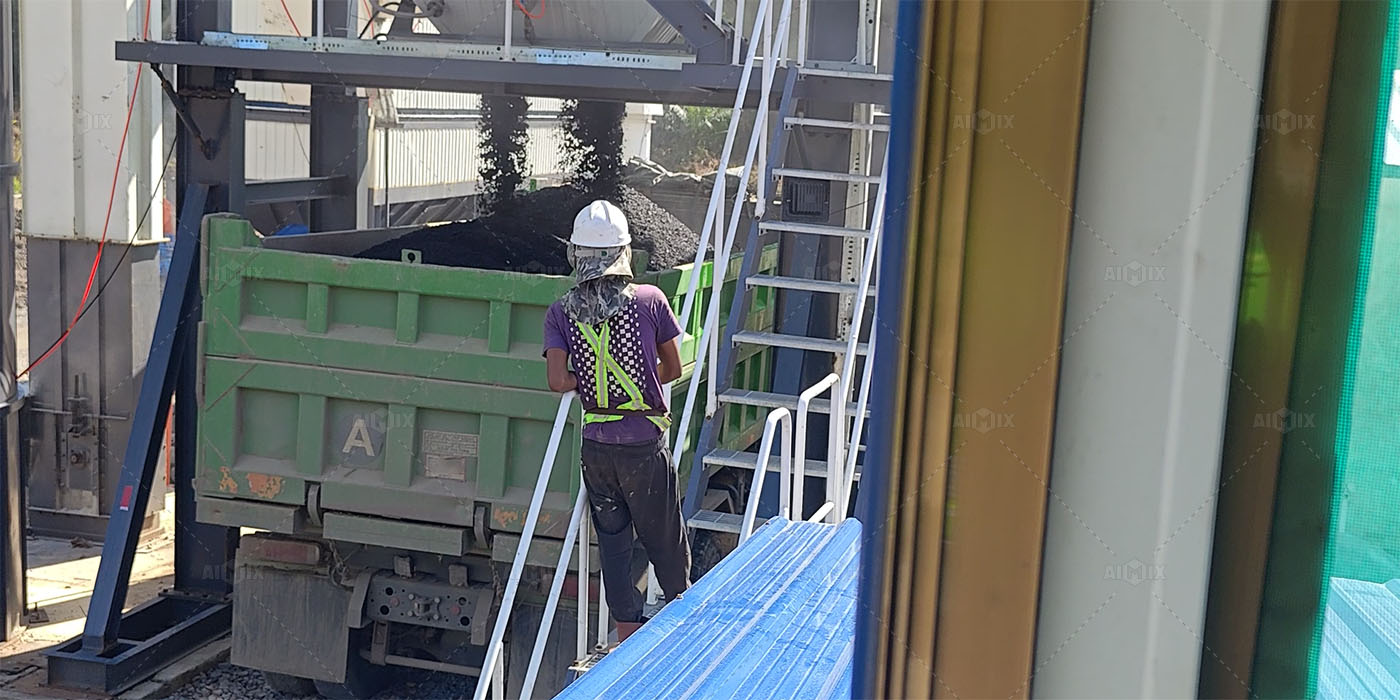
Many contractors focus too much on initial cost. However, long-term projects require a broader view.
First, always evaluate the asphalt plant price together with lifecycle costs. This includes fuel, maintenance, labor, and downtime.
Second, consider reliability. Frequent breakdowns can delay projects and increase penalties. Reliable equipment protects your schedule and reputation.
Third, think about resale value. High-quality batch plants maintain value better. This gives you flexibility after the project ends.
Therefore, investing in a reliable, efficient plant is not a cost. It is a strategy for long-term profit.
Final Recommendation And Next Steps
Choosing the right asphalt plant for long-term government road contracts in Algeria is a strategic decision. Based on real project demands, batch asphalt plants in the 120–160 TPH range offer the best balance of performance, flexibility, and cost control.
They ensure consistent quality, adapt to different mix requirements, and perform reliably under harsh conditions. More importantly, they help you deliver projects on time and maintain a strong reputation in the market.
If you are planning a project in Algeria, now is the time to evaluate your equipment strategy carefully. A well-chosen asphalt plant can become your most valuable asset over the next several years.
Contact us today to get a tailored solution that matches your project needs and long-term business goals.